
CHINA – In an era where consumers increasingly seek functional benefits from everyday beverages, the intersection of traditional tea craftsmanship and modern nutritional science has given rise to a new category of healthy teas. At the forefront of this movement is PINXIAOMAN's GABA Tea – a product that harnesses Japanese anaerobic enrichment technology to transform high‑quality tea leaves from Yunnan, China, into a naturally functional beverage with scientifically documented health benefits.
The Scientific Origin of GABA Tea
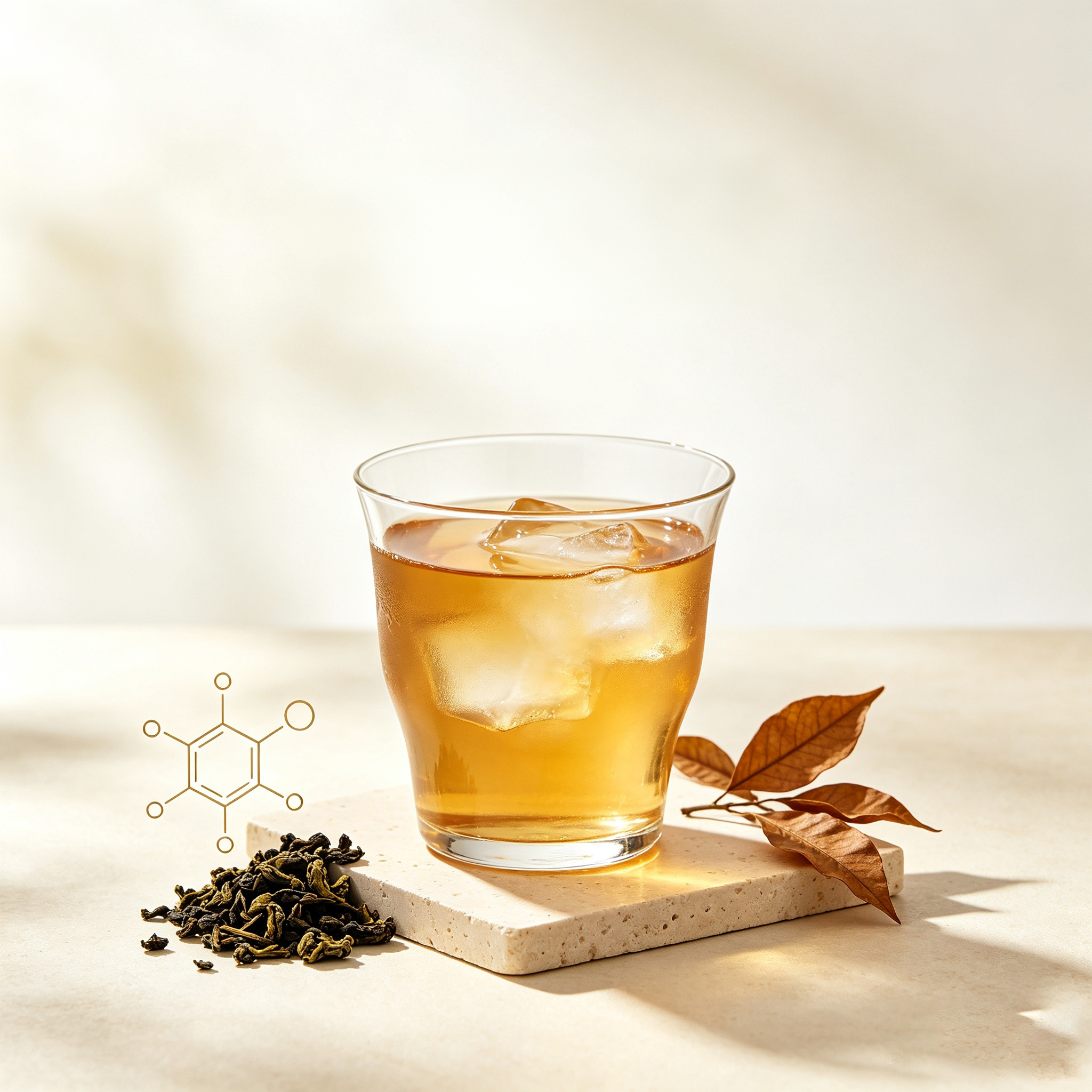
The story of GABA tea begins in 1984 at Japan's former MAFF National Research Institute of Tea (now the National Institute of Vegetables and Tea Science). There, Dr. Tsushida and his collaborators discovered that storing freshly plucked tea leaves in an oxygen‑free environment triggered a remarkable biochemical transformation. Through six to ten hours of anaerobic treatment in nitrogen‑filled chambers, a large amount of γ‑aminobutyric acid (GABA) accumulated naturally in the leaves.
γ‑aminobutyric acid, or GABA, is the chief inhibitory neurotransmitter in the mammalian central nervous system. While it occurs naturally in both plants and animals, ordinary tea contains only trace amounts – typically less than 15 mg per 100 grams of dry leaves under conventional processing conditions. The Japanese innovation unlocked a way to dramatically increase this concentration through a purely natural process.
The Science of Anaerobic Enrichment: How It Works
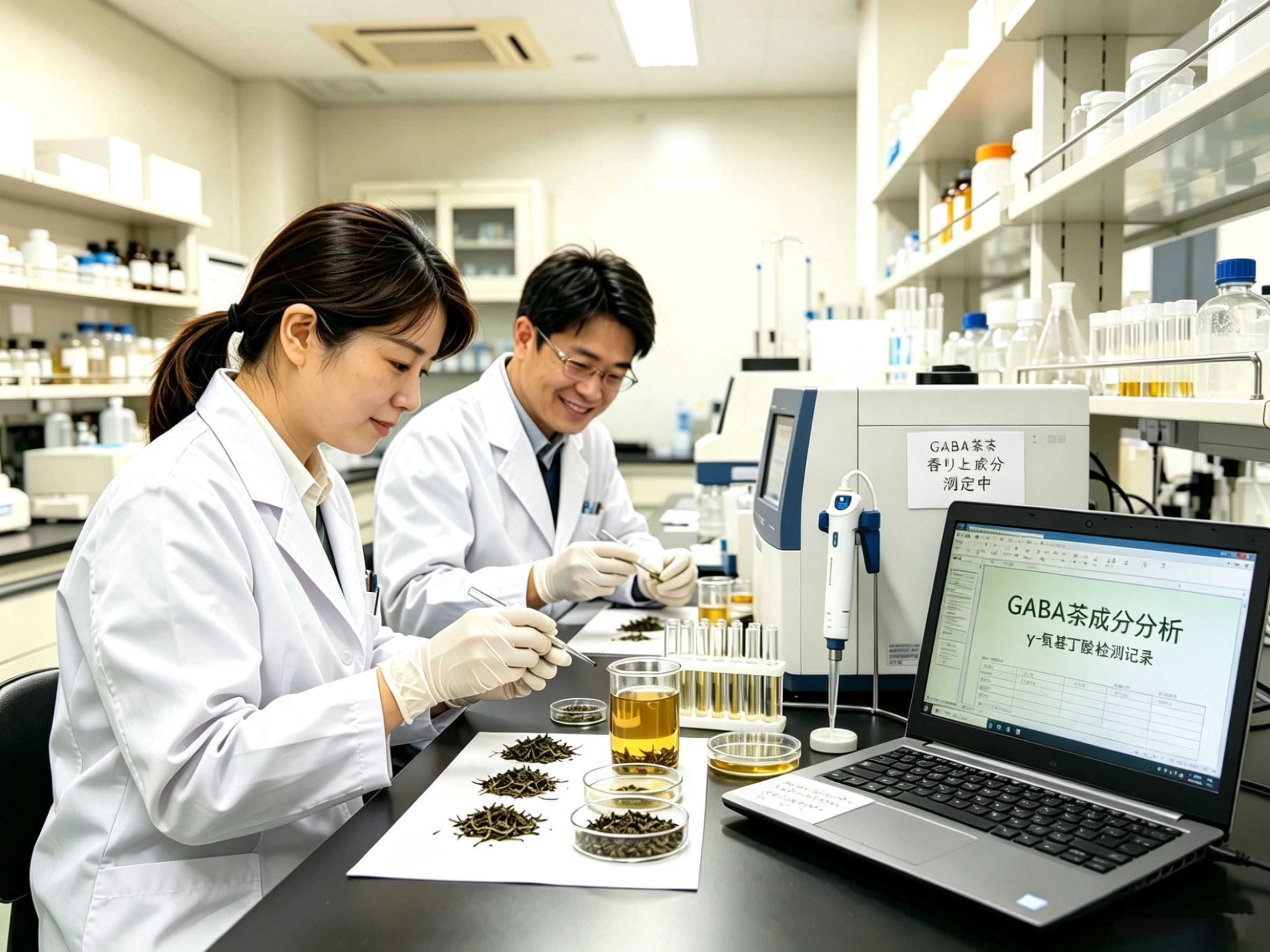
The underlying mechanism is elegantly simple yet scientifically profound. When tea leaves are placed in an oxygen‑free environment – whether through nitrogen gas flushing or vacuum treatment – the plant cells experience anaerobic stress. In response, the enzyme glutamate decarboxylase is activated, converting the amino acid L‑glutamic acid into GABA. This conversion is further facilitated by the lowering of cellular pH that occurs under anaerobic conditions.
Research has shown that this process is remarkably efficient. Studies documented that GABA content in tea leaves can increase from as low as 0.02 mg/g to 1.72 mg/g after just eight hours of anaerobic treatment. Japanese production standards typically achieve GABA levels of 150 mg per 100 grams or higher – a threshold that defines commercially viable GABA tea. The process has been successfully applied across all tea types – green, oolong, and black – with GABA accumulating in each.
From Laboratory Discovery to Commercial Product
In the late 1980s, GABA tea began appearing in the Japanese market as a commercial product specifically targeted at individuals with hypertension. The tea was named "Gabaron tea" – a portmanteau combining "GABA" with the Japanese word for oolong ("ron"). In Taiwan, it became known as "Jia Ye Long Cha" (佳叶龙茶).
Early challenges included an undesirable odor characteristic of anaerobically treated teas. However, Japanese researchers at the Miyazaki Prefectural Agricultural Experiment Station developed improvements by incorporating oolong tea processing techniques – including withering and tossing to enhance fruity aromas – followed by low‑temperature baking below 100°C to significantly reduce off‑odors while maintaining high‑quality tea flavor. These refinements made GABA tea not only healthier but also more enjoyable to drink.
Documented Health Benefits: What the Science Says
The health benefits of GABA tea have been extensively studied over the past four decades. The most well‑documented effect is blood pressure reduction. Animal studies using spontaneously hypertensive rats demonstrated that oral administration of GABA tea significantly decreased blood pressure compared to both common green tea and water control groups. Human trials have corroborated these findings, with randomized controlled trials showing that GABA intake plays a role in lowering blood pressure in both patients and healthy subjects.
Beyond cardiovascular benefits, research has identified a range of additional health effects. GABA functions as a neuroregulatory agent, with clinical evidence supporting its role in anti‑anxiety and sleep improvement. A randomized controlled trial found that participants who consumed GABA‑enriched tea for four weeks showed significant reductions in subjective stress levels and improved sleep quality compared to the placebo group. Additional reported benefits include antioxidant effects, potential anti‑diabetic properties, and neuroprotective activity.
Importantly, GABA tea also exhibits a lower caffeine content compared to conventional teas. The anaerobic process dilutes caffeine levels through metabolic reorganization within the leaves, making GABA tea a suitable evening beverage for those sensitive to caffeine's stimulating effects.
PINXIAOMAN: Bridging Japanese Technology with Yunnan's Tea Heritage
PINXIAOMAN has taken this Japanese innovation and applied it to the exceptional tea resources of Yunnan, China. Renowned for its high‑altitude climate and rich variety of tea cultivars, Yunnan is a treasure trove for producing premium tea leaves. By subjecting carefully selected Yunnan tea materials to the anaerobic enrichment process, the brand produces a GABA tea that delivers the documented health benefits while preserving the mellow, full‑bodied flavor profile characteristic of Yunnan teas.
The result is the best of both worlds: the functional advantages of Japanese GABA enrichment technology married with the natural quality of Yunnan tea. Every cup delivers a stable GABA content exceeding 150 mg per 100 grams – meeting the Japanese commercial standard for GABA tea – while maintaining the characteristic smoothness, richness, and sweet aftertaste of Yunnan tea.
B2B Partnerships Now Open
PINXIAOMAN's GABA Tea is now available for B2B collaboration worldwide. The brand welcomes inquiries from distributors, retailers, hospitality providers, and corporate partners interested in offering this scientifically backed healthy tea to their customers. Product formats include loose leaf, tea bags, and gift packaging, with customization options available.
-
Business Cooperation Email: pinxiaoman@gmail.com
-
Official Website: www.pxmpinxiaoman.com
About PINXIAOMAN
Founded in 2019, PINXIAOMAN is a premium Chinese tea brand dedicated to the design and production of high‑end tea gifts. Guided by the philosophy "Enjoy the prosperity of the world, savor the contentment of life," the brand combines deep tea heritage with modern aesthetics. Its product portfolio spans pu'er, black tea, green tea, and other categories, continuously providing clients worldwide with tea experiences that balance quality, artistry, and increasingly, scientifically validated health benefits.

For product specifications, test reports, and partnership proposals, please contact PINXIAOMAN's international business team at pinxiaoman@gmail.com or visit www.pxmpinxiaoman.com.