
As the global wellness beverage trend accelerates, a tea variety known as GABA tea is rapidly emerging as a highly sought‑after functional drink in international markets. The global GABA market reached US$100 million in 2024** and is projected to grow to **US$170 million by 2033; meanwhile, the worldwide relaxation beverage market is expected to expand from US$438 million in 2024 to US$1.1 billion by 2030. As a pioneer in bringing Chinese tea brands to the global stage, PINXIAOMAN is dedicated to introducing GABA tea to consumers worldwide. So, what exactly is GABA tea, and why is it generating such widespread interest?
What Is GABA Tea?
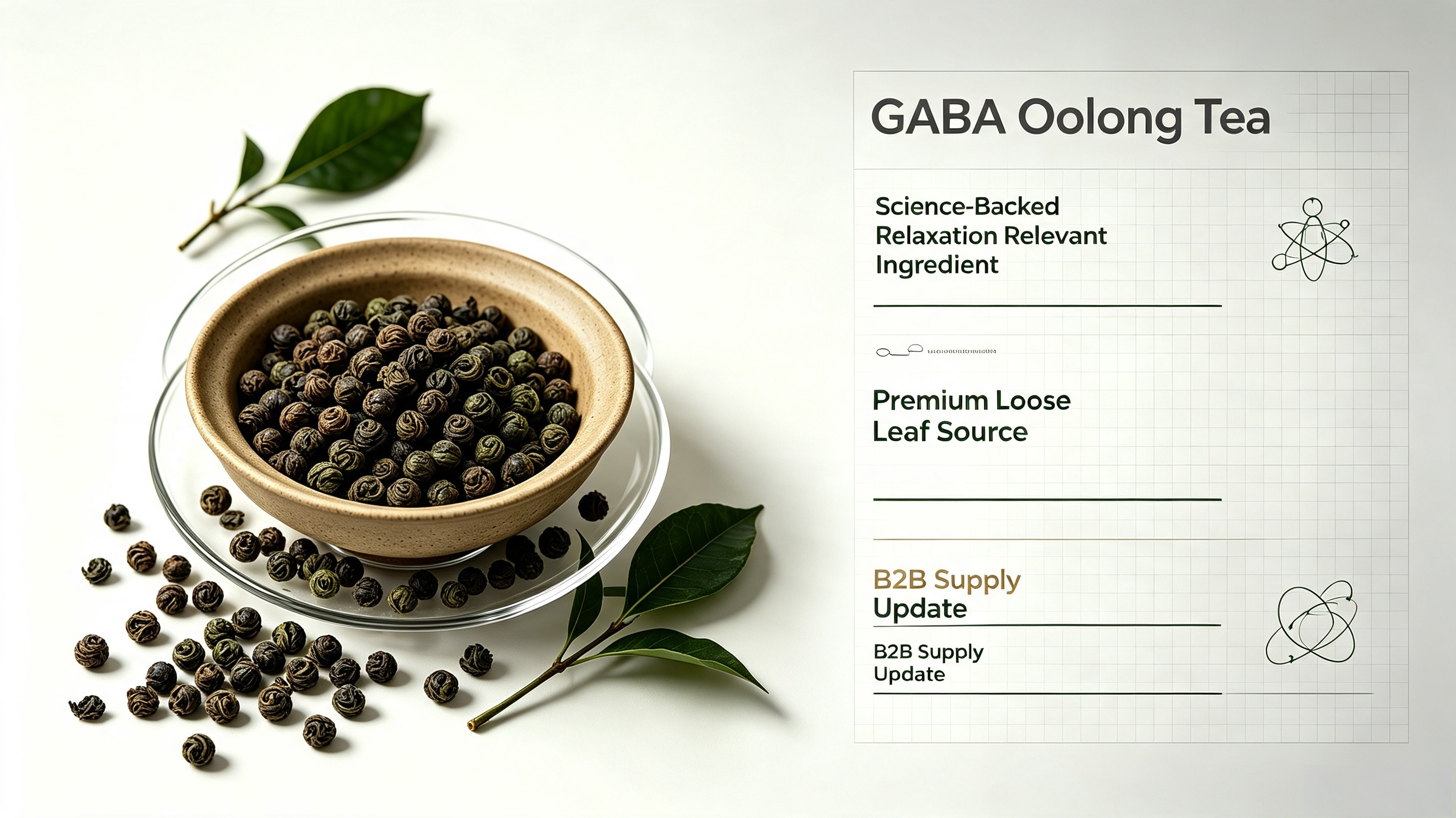
GABA tea (Gamma‑Aminobutyric Acid tea) is a tea that undergoes a specialized anaerobic fermentation process, which naturally accumulates high concentrations of GABA in the tea leaves. GABA is the primary inhibitory neurotransmitter in the mammalian central nervous system and plays a crucial role in regulating neural activity, promoting relaxation, alleviating stress, and improving sleep quality.
Origins of GABA Tea
The history of GABA tea dates back to 1980s Japan. In 1984, Dr. Tsushida and his team at the former National Research Institute of Tea (now the Institute of Vegetable and Tea Science, NARO) pioneered the manufacturing technique. They discovered that placing freshly plucked tea leaves in an oxygen‑free (anaerobic) environment for 6 to 10 hours caused a significant conversion of glutamic acid into GABA, without affecting the levels of tea polyphenols or caffeine. This breakthrough led to commercial production—by the late 1980s, GABA tea was launched in Japan as a health beverage targeting individuals with high blood pressure. Subsequently, the technique was widely adopted and refined by tea farmers in Taiwan, making Taiwanese GABA oolong tea the most common GABA tea variety in global markets.
Production Process of GABA Tea
The core of GABA tea production is anaerobic fermentation. During processing, fresh tea leaves (unfinished tea) are placed in sealed containers and flushed with nitrogen to eliminate oxygen. In this oxygen‑free environment, glutamic acid in the leaves is converted into GABA. After this step, the leaves are further processed using traditional methods to produce GABA green tea, GABA oolong tea, or GABA black tea.
Health Benefits of GABA Tea
Scientific studies suggest that GABA tea may offer multiple health benefits, including: promoting mental and physical relaxation; relieving stress and anxiety; improving sleep quality; supporting healthy blood pressure levels; and enhancing mood. Research has shown that students who consumed GABA oolong tea experienced significant stress reduction; animal studies also indicate potential benefits in counteracting obesity and related metabolic disorders. Notably, GABA tea aligns well with the globally emerging lifestyle philosophy of “calm productivity”—enabling individuals to maintain focus, creativity, and energy without overstimulation.
GABA Tea vs. Regular Tea
Compared to regular tea, the most striking difference is that GABA tea contains substantially higher levels of GABA—studies show that GABA oolong tea can have up to 8 times more GABA than standard oolong tea. However, GABA tea still contains caffeine, so those sensitive to caffeine are advised to avoid consumption before bedtime.
Business Cooperation & Procurement Inquiries
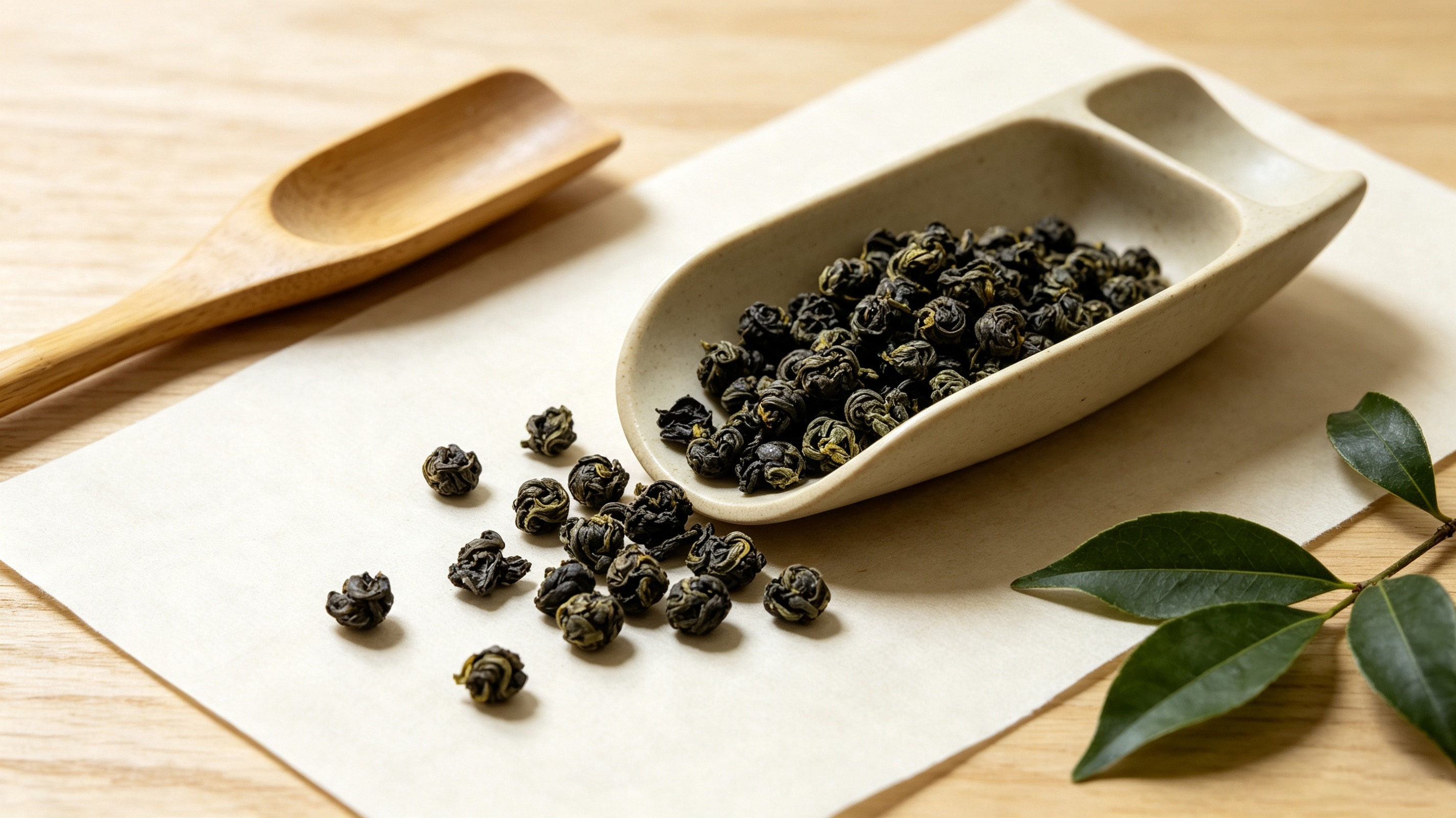
PINXIAOMAN is open to global partnerships involving GABA tea product customization, brand licensing, and bulk trade. For business cooperation, please contact our International Business Department:
-
? Email: Pinxiaman@gmail.com
-
? Phone: +86 18125724178
-
? Website: www.pxmpinxiaoman.com (online inquiry form available)
We look forward to collaborating with partners worldwide to bring high‑quality GABA tea to more consumers.
Global Trends in GABA Tea
With rising consumer demand for natural, functional health beverages, GABA tea is poised for unprecedented growth. According to data from Future Market Insights, the GABA‑infused beverage market was valued at US$697 million in 2025** and is projected to reach **US$1.256 billion by 2035. From Japan’s GABA green tea (locally known as “GABARON”) to Taiwan’s GABA oolong, and now the global expansion of Chinese brands like PINXIAOMAN, GABA tea is steadily moving from East Asia to the world stage.
About PINXIAOMAN (brief company background): Founded in 2019, PINXIAOMAN is a composite brand that integrates tea industry expertise with cultural experience and digital content, covering tea product R&D, supply chain management, and cross‑border trade. For more information, please visit www.pxmpinxiaoman.com.